
Mr. Saka was 47 years old, strong, active, and never sick a day in his life – or so he believed. He ran a successful spare parts business in Lagos, woke up early, worked hard, and went to bed late. He felt fine.Then one Thursday morning, he collapsed at his shop. By the time the ambulance reached the hospital, he had suffered a massive stroke. He survived – but his right side never fully recovered. His wife later told the doctor: “He never complained of anything. We never knew“
Saka is not alone. His story is playing out in millions of Nigerian homes right now – in busy markets, government offices, university staff rooms, and church pews. High blood pressure, also called hypertension, is one of the most common – and most deadly – health conditions in Nigeria. And the most frightening thing about it is this:
KEY FACT: Most people who have high blood pressure feel completely normal. No pain. No dizziness. No warning. That is why doctors call it the silent killer.
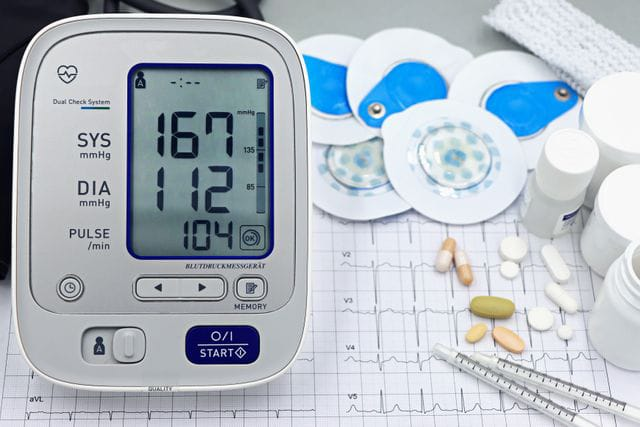
This article will explain what high blood pressure really is, why it is so common in Nigeria, why so many Nigerians do not know they have it, what the risks are if it goes untreated, and – most importantly – what you can do about it today.
What Is High Blood Pressure?
Every time your heart beats, it pumps blood through your arteries to deliver oxygen and nutrients to every part of your body. Blood pressure is the force that this pumping creates against the walls of your arteries.
A normal blood pressure is around 120/80 mmHg. The top number (systolic) measures the pressure when your heart beats. The bottom number (diastolic) measures the pressure when your heart rests between beats.
High blood pressure is when that force stays consistently too high – usually 140/90 mmHg or above. Over time, this constant high pressure damages your blood vessels, your heart, your brain, and your kidneys – even while you feel nothing.
Think of it like a garden hose under too much pressure. On the outside, the hose looks fine. But inside, the walls are slowly stretching, weakening, and wearing out – until one day, it bursts.
That “burst” in your body is a stroke, a heart attack, or kidney failure.
How Common Is Hypertension in Nigeria?
The numbers are alarming. Multiple national and international studies have shown that hypertension is one of the leading non-communicable diseases in Nigeria:
- Studies suggest that between 28% and 46% of Nigerian adults have hypertension – that is nearly 1 in 3 adults.
- Nigeria is estimated to have over 30 million people living with hypertension.
- Among those diagnosed, a large proportion are not receiving adequate treatment.
- Hypertension is now the leading cause of stroke in Nigeria, and stroke is one of the top causes of adult death and disability in the country.
- Unlike in high-income countries, Nigerian hypertension patients tend to be diagnosed at a younger age – often in their 30s and 40s.
Most Nigerians with hypertension have never had their blood pressure checked. And many of those who have been told their BP is high simply stopped going back to the hospital because they felt fine. This is a deadly mistake
Why Does Hypertension Have No Symptoms?
This is the question most patients ask their doctors: “If my blood pressure is so high, why don’t I feel it?”
The answer lies in how the human body adapts. Over months and years, as blood pressure gradually rises, your body adjusts quietly. Your blood vessels slowly stiffen. Your heart quietly thickens its walls to cope with the extra workload. Your kidneys silently struggle. None of these changes trigger pain or discomfort in the early stages.
By the time you feel something – a crushing headache, sudden dizziness, blurred vision, chest tightness, or weakness on one side of the body – the damage has usually already been going on for years. Worse, many of those symptoms are the signs of a stroke or heart attack already happening.
DR. OLUSESI EXPLAINS: Many patients tell me they thought headache was the main symptom of high blood pressure. That is a dangerous myth. Headache is NOT a reliable sign of high blood pressure. Many people with severely elevated BP (even 180/110) report no headache at all. The only way to know your blood pressure is to measure it.
Why Are So Many Nigerians at Risk?
Several factors unique to the Nigerian context make hypertension especially common and especially dangerous here:
1. Diet high in salt and processed ingredients
Nigerian cooking relies heavily on stock cubes (Maggi, Knorr), smoked and dried fish, salted meats, canned tomatoes, and fermented condiments – all of which are very high in sodium. Excess sodium causes the body to retain water, which raises blood pressure. Most Nigerian adults consume far more sodium daily than the World Health Organization recommends.
2. Stress from economic pressure and hustle culture
The financial pressures of everyday Nigerian life – job insecurity, business losses, rising costs of living, long commutes, electricity challenges – keep stress hormones like cortisol and adrenaline elevated. These hormones directly raise blood pressure. Chronic stress is now recognized as a major driver of hypertension in urban Nigerian populations.
3. Physical inactivity
Many Nigerians work long sedentary hours – in offices, at trading counters, driving, or running businesses from a fixed spot. Physical inactivity reduces the heart’s efficiency and makes it harder for blood vessels to stay flexible. Regular exercise is one of the most powerful natural blood pressure reducers, yet most adults in Nigeria do not exercise regularly.
4. Obesity and excess weight
Weight gain – especially around the belly – is directly linked to hypertension. As Nigeria experiences nutritional transition (more processed foods, more sedentary work), obesity rates are rising sharply, particularly among urban women and middle-class professionals.
5. Alcohol and tobacco use
Regular alcohol consumption – including local gins, palmwine taken in excess, and beer – raises blood pressure over time. Smoking compounds the damage by damaging blood vessel walls directly.
6. Family history
Hypertension runs in families. If your father, mother, or sibling has high blood pressure, your risk is significantly higher. Unfortunately, many Nigerians do not know their family medical history because these conversations are rarely held at home.
7. Limited access to routine health checks
In most Nigerian communities, people only go to the hospital when they are sick. Routine preventive check-ups are uncommon. Blood pressure is rarely checked during routine visits to community pharmacies, maternity clinics, or traditional medicine practitioners. As a result, high blood pressure goes undetected for years.
What Happens If Hypertension Is Left Untreated?
When blood pressure stays high over months and years, the consequences are severe:
- Stroke – the leading complication in Nigeria; high BP causes blood vessels in the brain to burst or become blocked
- Heart attack – the heart muscle is starved of blood due to damaged coronary arteries
- Heart failure – the heart becomes too weak to pump properly
- Kidney failure – damaged kidney blood vessels can no longer filter waste effectively
- Vision loss – damaged blood vessels in the eyes
- Erectile dysfunction – reduced blood flow affects men’s sexual health
- Premature death – untreated hypertension cuts life expectancy significantly
A Nigerian man with uncontrolled hypertension at age 40 is statistically more likely to suffer a stroke before age 60 than to retire in good health. This is preventable.
The Myths That Are Killing Nigerians
Several common misconceptions prevent Nigerians from taking hypertension seriously. It is important to address them directly:
MYTH 1: “I would feel it if my blood pressure was high.” FACT: Most people feel nothing. This is the definition of the silent killer.
MYTH 2: “Blood pressure medication is for old people.” FACT: Hypertension is increasingly affecting Nigerians in their 30s and 40s. Age is not a shield.
MYTH 3: “Once I feel better, I can stop the medication.” FACT: Hypertension is a chronic condition. Stopping medication without medical advice allows BP to rise again, often dangerously.
MYTH 4: “Herbal remedies can cure my high blood pressure.” FACT: No herbal product has been scientifically proven to cure hypertension. Some may interact dangerously with prescribed medication. Always discuss any supplement with your doctor.
MYTH 5: “If I eat well for a few weeks, my BP will return to normal permanently.” FACT: Lifestyle changes help and are important – but for many people, especially those with severe hypertension or a strong family history, medication is also required and must be maintained.
What Should You Do Right Now?
The good news about hypertension is that it is highly manageable. Millions of people live full, healthy, active lives with controlled blood pressure. Here is what you should do:
Step 1: Know your numbers
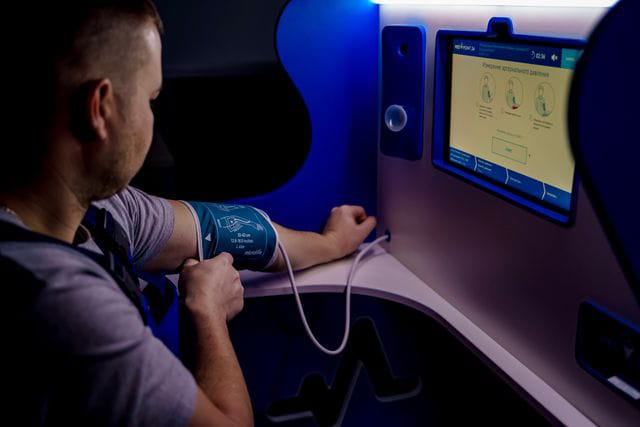
If you have not had your blood pressure checked in the last 12 months, do it today. Blood pressure checks are quick, painless, and available at most government health centres, hospitals, pharmacies, and community health extension worker (CHEW) posts. Normal is below 120/80. If yours is 130/80 or above, speak to a doctor.
Step 2: Reduce salt in your diet
Cut back on stock cubes, smoked fish, processed snacks, and canned foods. Use fresh tomatoes, pepper, onions, crayfish, and local herbs to add flavour without the sodium. Small changes in cooking make a real difference over time.
Step 3: Move your body daily
You do not need a gym. Thirty minutes of brisk walking, five days a week, is enough to make a meaningful difference to your blood pressure. If you cannot do thirty minutes at once, break it into three 10-minute walks.
Step 4: If you are already on medication, take it consistently
Do not stop because you feel fine. You feel fine because the medication is working. This is one of the most important messages in this article.
Step 5: Tell your family
Share this article with your spouse, your parents, your adult siblings, and your colleagues. High blood pressure is a family affair. If one person is diagnosed, their close relatives should all be checked.
Track your BP readings every day with our free DokitaSesi Blood Pressure Monitoring Chart. Designed specifically for Nigerian patients, it includes guidance on what your numbers mean and when to seek medical attention immediately
Want to Learn More? Get the Complete Hypertension Management Guide
The DokitaSesi Complete Hypertension Management Guide covers everything you need to know – understanding your medications, building a heart-healthy Nigerian diet, managing stress, monitoring your BP at home, and knowing when to go to the emergency room. Written by Dr. Lukman Olusesi, MBChB, MPH.
About the Author
Dr. Lukman Olusesi is a medical doctor, public health specialist, and digital health educator. He is an AHA Certified Instructor in BLS, ACLS, and PALS, and a Commonwealth Professional Fellow. Through DokitaSesi, he provides evidence-based health education to Nigerian families, caregivers, and community health workers. Follow DokitaSesi on Facebook, Instagram, and WhatsApp for daily health tips.