
What if the food that your mother taught you to cook – the same food you prepare for your family every evening – was slowly damaging your heart without you knowing it?
That is not a scare tactic. It is a medical reality that affects millions of Nigerian families right now. High blood pressure – the silent killer – is fuelled not just by genetics or stress, but significantly by what we eat every day. And in Nigeria, many of our most beloved, most relied-upon ingredients are among the highest-sodium foods on the planet.
Sodium is the main dietary driver of high blood pressure. When you consume too much sodium, your body retains water to dilute it, which increases the volume of blood in your vessels – and that pushes your blood pressure up. Over months and years, this constant pressure damages your arteries, heart, brain, and kidneys.
The World Health Organization recommends a maximum of 2,000 mg of sodium per day (about 5g of salt). Many Nigerians consume two to three times that amount – without adding a single pinch of extra salt to their food.
How? Because the sodium is already hidden inside the ingredients we cook with every day. This article names them – not to shame Nigerian food culture, which is rich, delicious, and deeply meaningful – but to help you make smarter choices that protect your health and your family’s health for the long term.
Let us look at the ten biggest culprits.
#1 Stock Cubes – Maggi, Knorr, Royco – The Single Biggest Offender
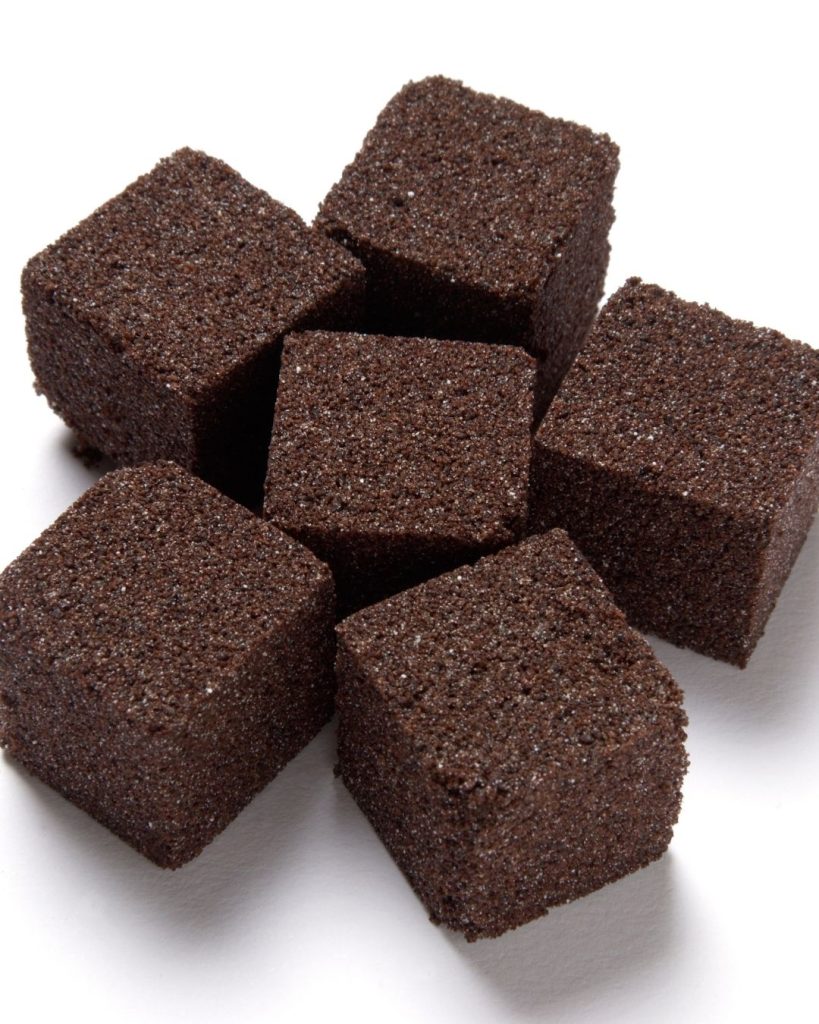
Let us start with the one ingredient found in almost every Nigerian pot. Stock cubes are the backbone of Nigerian cooking – used in jollof rice, egusi soup, stew, pepper soup, beans, and virtually every other dish. They are cheap, convenient, and packed with flavour.
They are also extraordinarily high in sodium. A single stock cube contains approximately 900–1,100 mg of sodium – nearly half the entire recommended daily intake for an adult, in one tiny 4-gram block. And most Nigerian recipes call for two, three, or more cubes per pot.
THE MATHS: If you use 3 Maggi cubes in one pot of stew, you have already added roughly 2,700–3,300 mg of sodium to that meal – 35–65% more than the entire daily recommended limit, before you add salt, seasoning, or any other ingredient.
This does not mean you must never cook with stock cubes. But it does mean that using three cubes every day, multiple times a day, across years of eating, contributes significantly to elevated blood pressure – especially if you already have other risk factors.
✅ HEALTHIER SWAP: Reduce stock cubes to one per large pot. Boost flavour naturally with fresh crayfish, uziza leaves, ehuru (African nutmeg), scent leaves, ginger, and garlic – all of which add depth without sodium. Low-sodium stock cubes are also available in some Nigerian supermarkets.
#2 Smoked and Dried Fish – Titus, Stockfish, Panla, Eja Sawa – Hidden Sodium Bomb
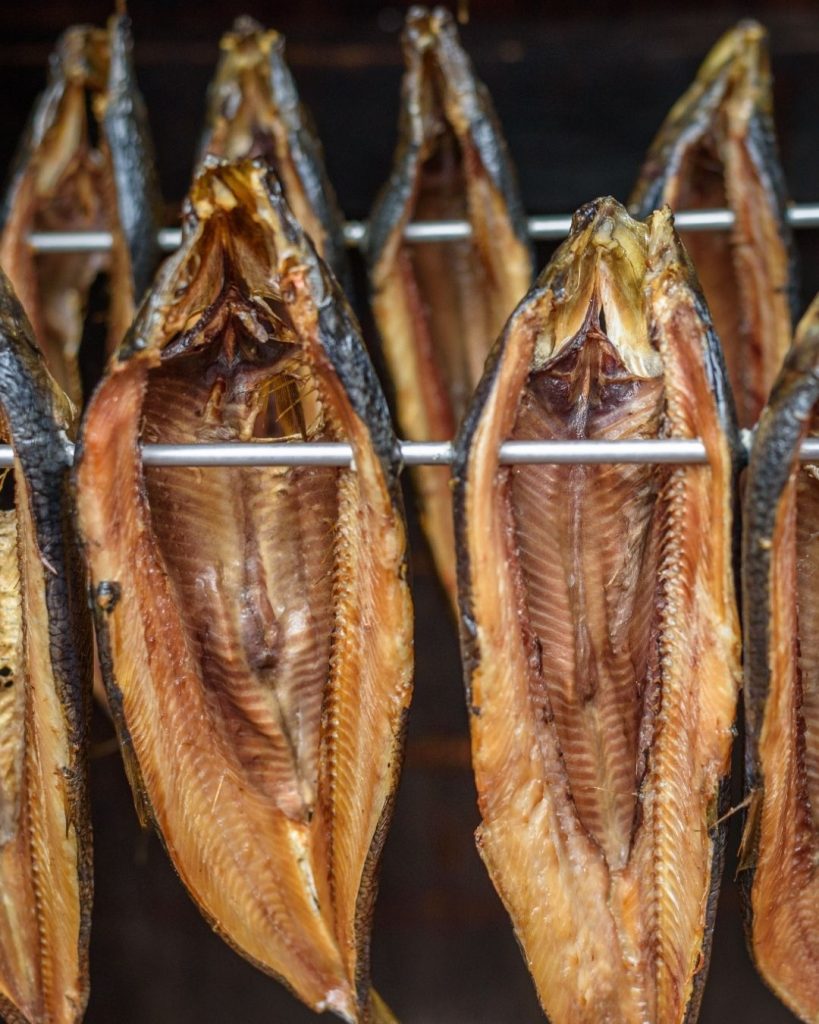
Smoked and dried fish are protein staples in Nigerian cooking – essential in egusi, banga soup, okra, efo riro, and dozens of other dishes. They are nutritious sources of protein and omega-3 fatty acids. However, the smoking and drying process used to preserve them involves large quantities of salt. Stockfish (okporoko) and heavily salted dried fish can contain 500–900 mg of sodium per 50–100g serving – and Nigerians typically use significant quantities in a single pot. When combined with stock cubes and other seasonings, a single bowl of egusi soup can contain more sodium than a person should consume in an entire day.
✅ HEALTHIER SWAP: Soak smoked and dried fish in warm water for 20–30 minutes before cooking and discard the soaking water. This removes a significant portion of the surface salt. Also reduce the quantity used per pot and supplement with fresh fish where possible.
#3 Instant Noodles – Indomie and Similar Brands – A Particular Danger for Young Nigerians
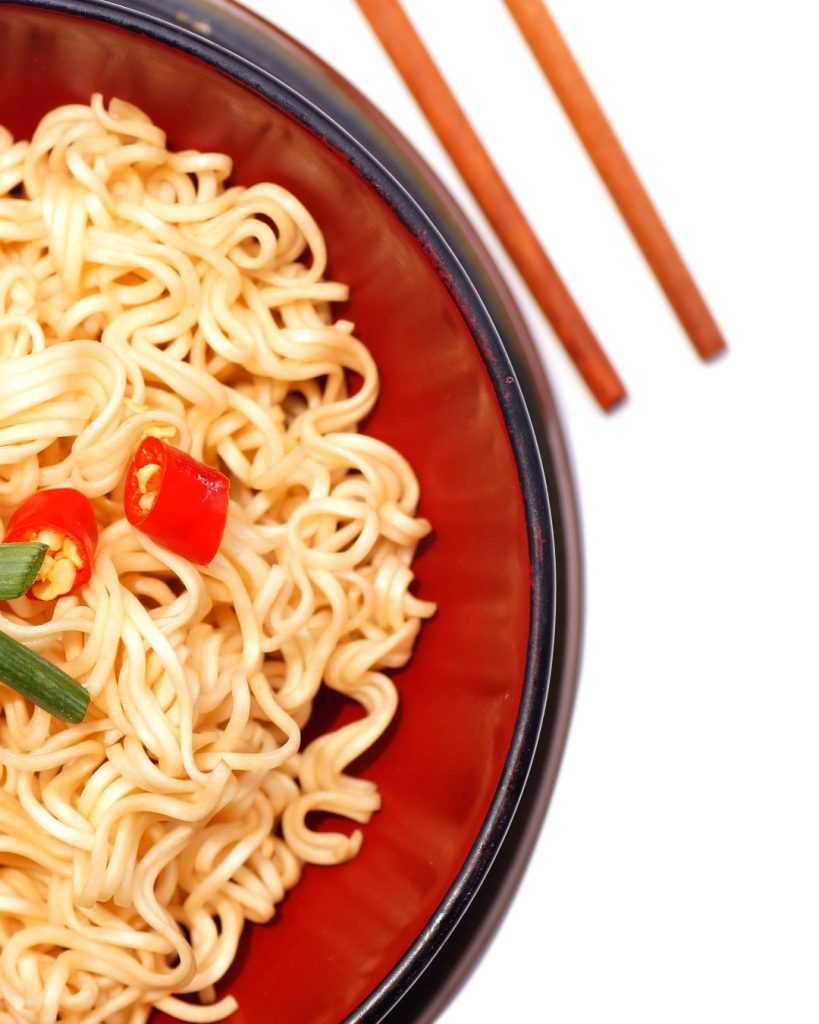
Noodles has become a staple food across Nigeria – not just for students and children, but for adults seeking a quick, affordable meal. It is fast, tasty, and filling. It is also one of the single highest-sodium foods consumed in Nigeria.
One pack of Indomie instant noodles contains approximately 1,100–1,300 mg of sodium – more than half the daily recommended limit in a single serving. Most of the sodium comes from the flavour sachets included in the pack. Many people use the full sachet without realising its sodium content.
BRUTAL TRUTH: A child or adult who eats Indomie twice a day – not uncommon in many Nigerian households – is consuming more sodium from noodles alone than the WHO recommends for an entire day, before eating anything else.
✅ HEALTHIER SWAP: If eating instant noodles, use only half the flavour sachet and add fresh ingredients – tomatoes, eggs, onions, vegetables – for nutrition and flavour. Limit to no more than two or three times per week, particularly for children and anyone with elevated blood pressure.
#4 Canned and Processed Tomato Products – The Silent Sodium in Every Stew
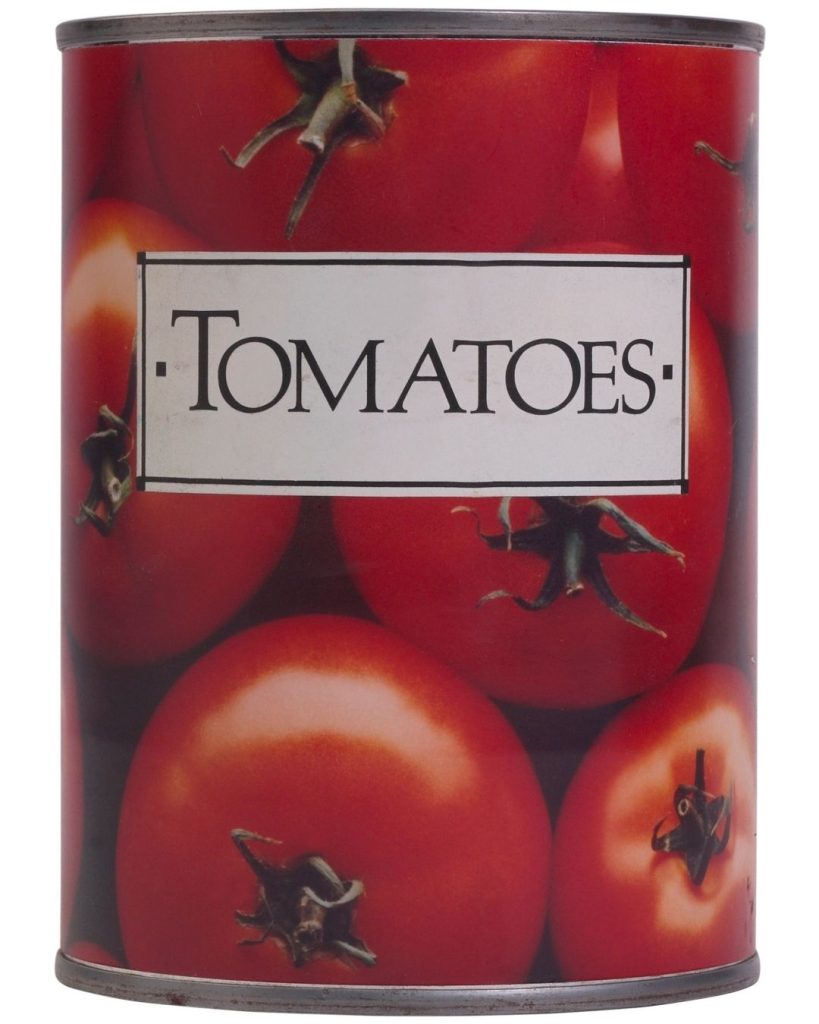
Canned tomatoes, tomato paste, and tomato puree are widely used in Nigerian cooking as a base for stew, jollof rice, and soups. They are convenient alternatives to fresh tomatoes, especially in dry seasons when fresh tomatoes are expensive.
However, most commercial tomato pastes and canned tomatoes contain added salt as a preservative. Two tablespoons of tomato paste can contain 200–400 mg of sodium. Combined with stock cubes and other seasonings in the same pot, this adds up quickly.
✅ HEALTHIER SWAP: Use fresh blended tomatoes whenever possible. When buying canned tomatoes or tomato paste, look for ‘no added salt’ versions, which are becoming more available in larger Nigerian supermarkets. If using regular canned tomato, reduce the amount of stock cube used to compensate.
#5 Processed Meats – Sausages, Corned Beef, Sardines, Canned Fish – Weekend Favourites with a Hidden Cost
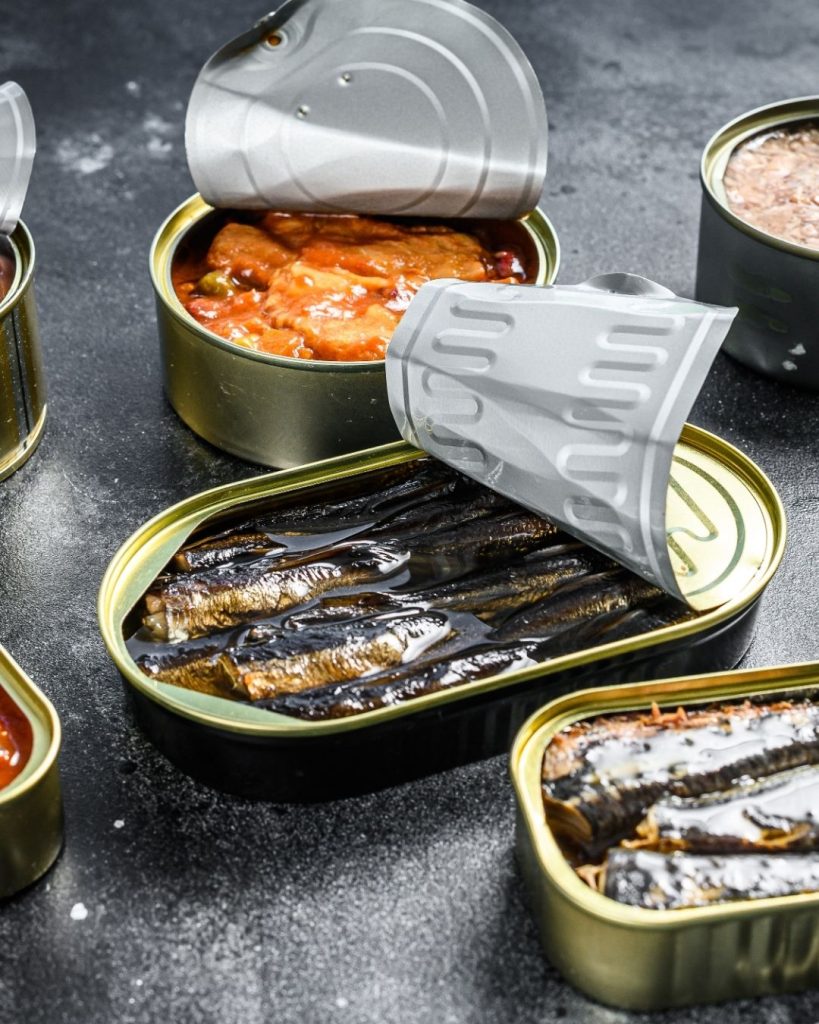
Nigerian breakfast and weekend meals often feature processed meats – fried sausages with eggs and bread, corned beef in stew, sardines with rice, or hot dogs at children’s parties. These foods are popular, affordable, and beloved.
They are also preserved with very large amounts of sodium. A pair of processed sausages can contain 700–1,000 mg of sodium. A tin of corned beef contains roughly 800–1,200 mg. A small tin of sardines in brine can contain 300–600 mg. Eating these foods regularly – particularly in combination – significantly elevates daily sodium intake.
WATCH OUT: Corned beef stew with Maggi cubes is an extremely common Nigerian combination that can easily deliver 2,000+ mg of sodium in a single meal – the entire day’s recommended allowance.
✅ HEALTHIER SWAP: Choose sardines in water or tomato sauce (not brine) – they have significantly less sodium. Replace processed sausages with boiled or grilled fresh fish, chicken, or egg as protein alternatives. Read the labels on canned meats and choose lower-sodium options where available.
#6 Salted Snacks – Chin-Chin, Puff-Puff, Salted Groundnuts, Biscuits – The In-Between Danger
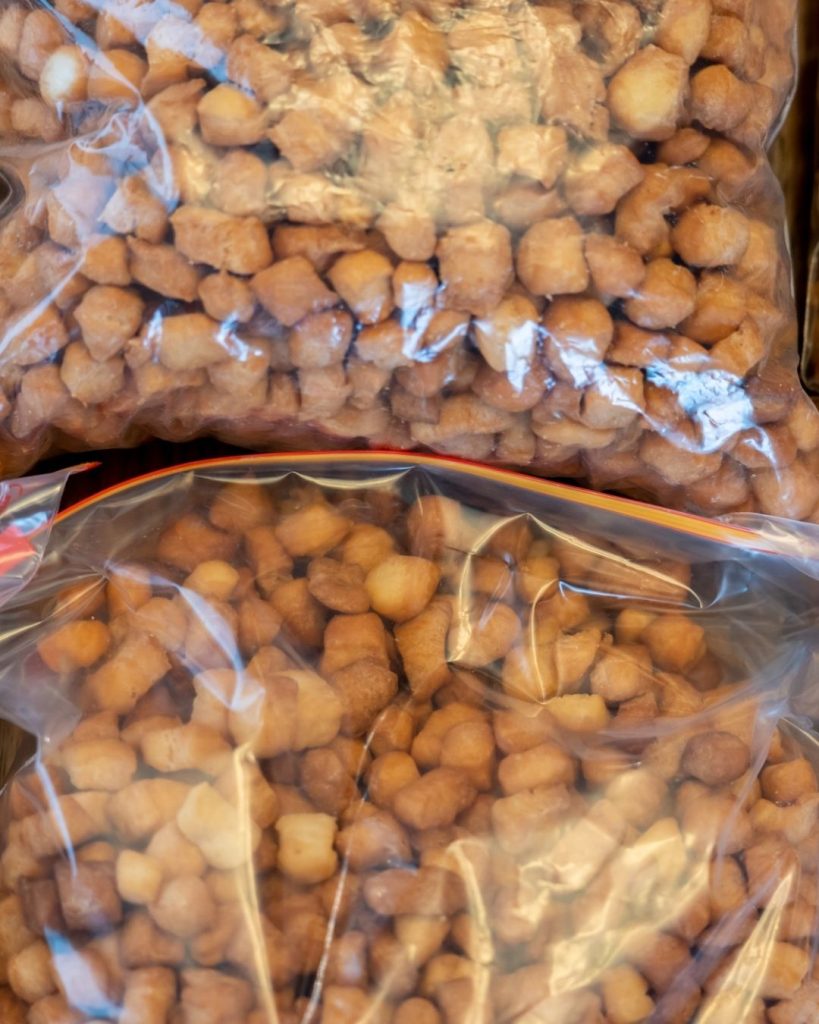
Nigerian snack culture is rich and deeply social – chin-chin at Christmas, puff-puff at parties, groundnuts at the cinema or on the bus, biscuits at the office. These in-between foods feel harmless because they are not ‘real meals.’
But salted snacks contribute meaningfully to daily sodium intake, particularly for people who snack frequently. Salted chin-chin can contain 300–500 mg of sodium per 100g. Commercial biscuits and crackers often contain added salt and sodium-based preservatives. Salted roasted groundnuts – a popular roadside snack – add further sodium throughout the day.
The danger is cumulative. Each snack alone seems small, but three or four salty snack encounters per day, on top of high-sodium meals, keeps sodium intake consistently elevated.
✅ HEALTHIER SWAP: Snack on unsalted groundnuts, fresh fruit, tiger nuts (ofio), roasted corn without salt, or garden eggs. When making chin-chin at home, reduce or omit added salt – the sweetness and spice carry the flavour without it.
#7 Fermented Locust Beans – Iru / Dawadawa / Ogiri – Nutritious But High in Sodium
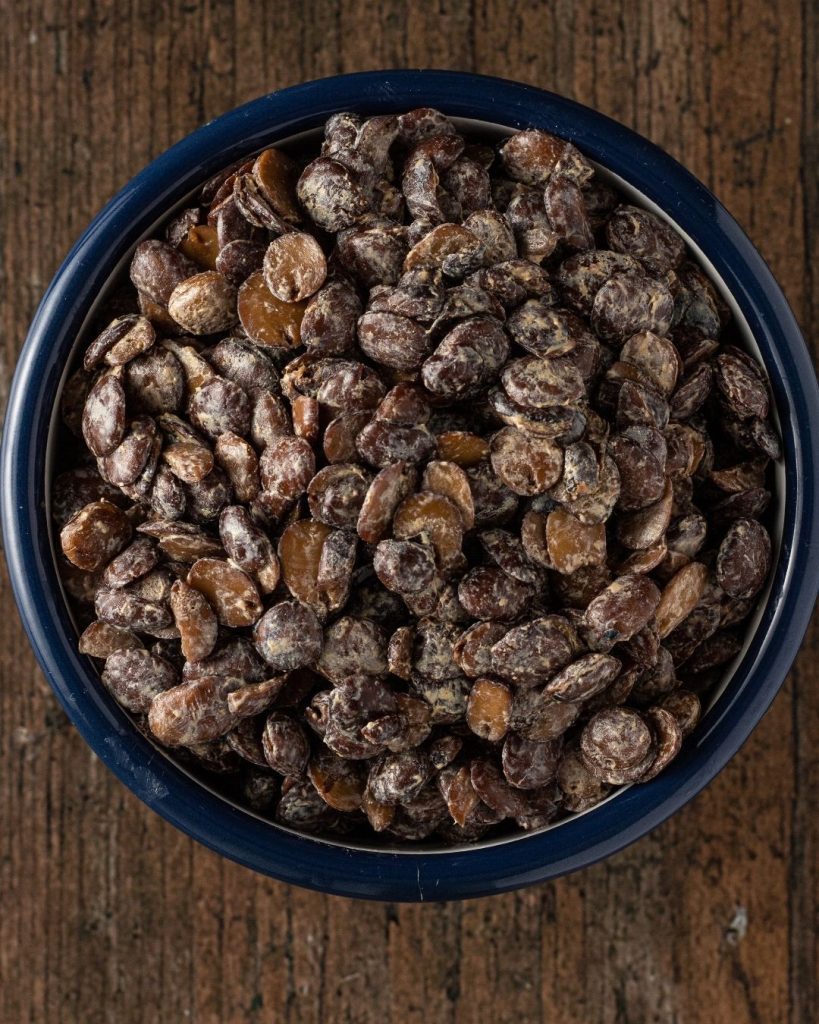
Iru (Yoruba), dawadawa (Hausa), or ogiri (Igbo) – fermented locust beans are a traditional flavouring agent used across Nigerian cooking. They are nutritionally valuable, providing protein, fermented probiotics, and a deep umami flavour. Many Nigerian grandmothers swear by them.
However, they are also naturally high in sodium as a result of the fermentation process, with some samples containing 200–400 mg per small quantity. When used alongside stock cubes and dried fish in the same pot, they add to the overall sodium load of the meal.
NOTE: Iru is less processed and more nutritious than stock cubes. Used alone in moderate quantities and without stock cubes, it is a far better flavouring choice. The problem is when it is added on top of already high-sodium cooking.
✅ HEALTHIER SWAP: Consider using iru or ogiri as a replacement for stock cubes rather than an addition to them. A combination of iru, crayfish, and fresh pepper provides excellent flavour with significantly less sodium than three Knorr cubes.
#8 Bread – Especially Sliced and Packaged Varieties – The Breakfast Trap
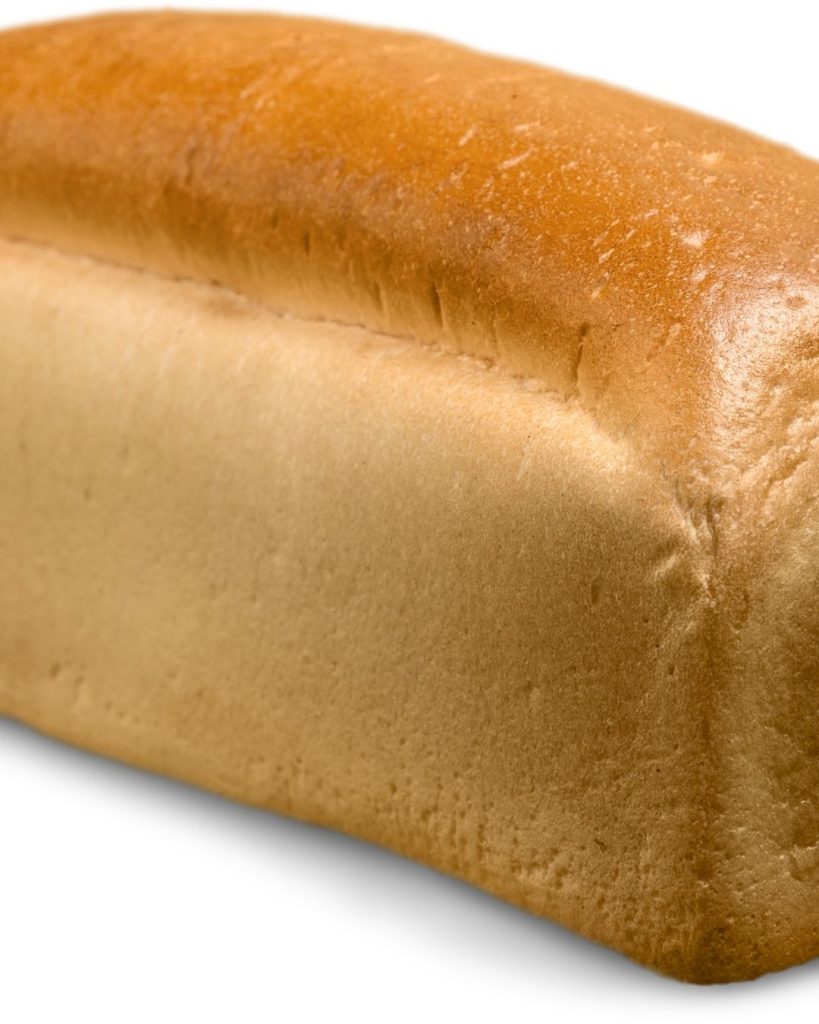
Bread is the most commonly eaten breakfast food in urban Nigeria – sliced bread with eggs, akara, sardines, groundnut paste, or tea. It is convenient, affordable, and universally available.
What most Nigerians do not realise is that commercially produced bread contains a surprising amount of sodium. Two slices of standard Nigerian sliced bread can contain 200–350 mg of sodium – before any spreading, filling, or accompaniment. For a family that eats bread daily, this background sodium accumulates significantly over time.
✅ HEALTHIER SWAP: Choose whole wheat or wholegrain bread over white bread – it has more fibre, which benefits blood pressure, and some brands contain less sodium. Homemade bread made with reduced salt is always better. Balance your breakfast sodium by avoiding sardines-in-brine or processed sausages on the same plate as bread.
#9 Palm Oil Used in Excess – Fats, Inflammation, and Blood Pressure
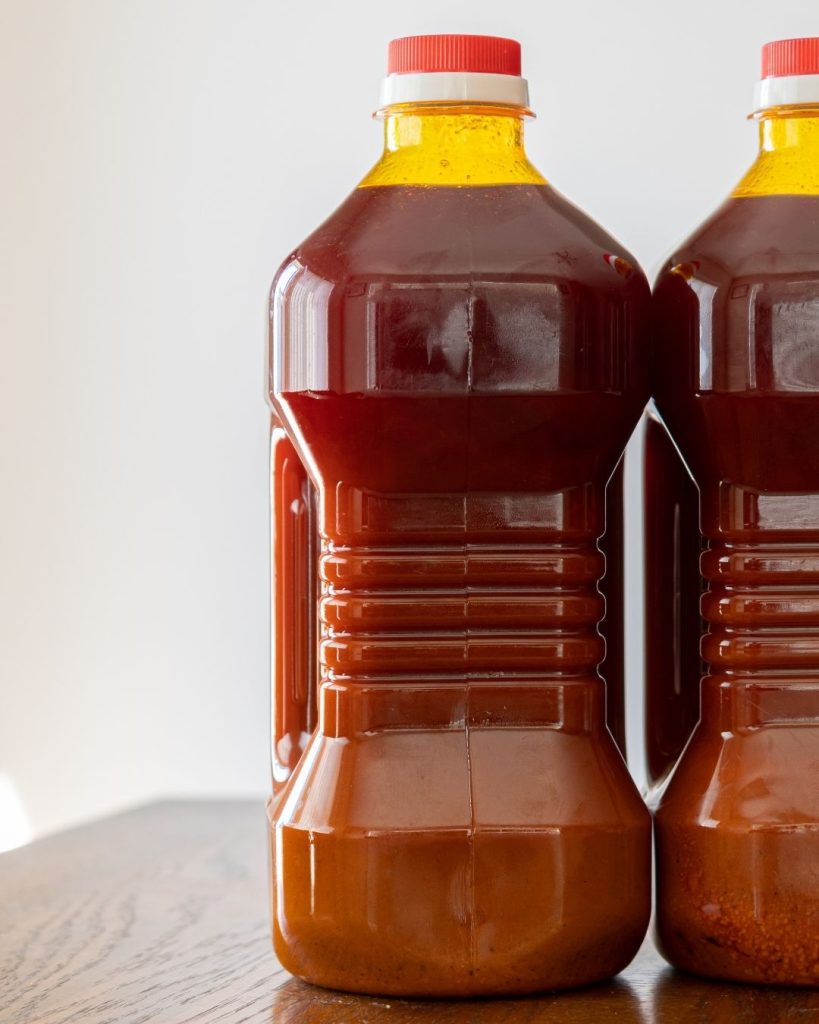
Palm oil is central to Nigerian cooking and is used across nearly all ethnic food traditions – in soups, stews, rice dishes, and frying. In moderate quantities, palm oil is not inherently harmful and contains vitamin E and antioxidants.
The problem is quantity and frequency. Nigerian cooking often uses palm oil generously – several large spoonfuls per pot. Palm oil is very high in saturated fat. Diets consistently high in saturated fat promote inflammation, contribute to atherosclerosis (hardening and narrowing of the arteries), raise LDL (bad) cholesterol, and over time increase the risk of high blood pressure, heart attack, and stroke.
This is particularly true when palm oil-heavy cooking is combined with a diet already high in sodium and low in vegetables and fibre.
✅ HEALTHIER SWAP: Use palm oil in smaller quantities – a tablespoon or two rather than half a cup. For everyday cooking, supplement with olive oil, groundnut oil, or other oils lower in saturated fat. Load your soups with more leafy vegetables (ugu, waterleaf, efo tete, bitter leaf) to add fibre and nutrients that naturally support blood pressure control.
#10 Alcohol – Beer, Palmwine, Local Gin (Ogogoro, Kai-Kai) – A Direct BP Elevator

Alcohol deserves a place on this list because it is consumed daily by a significant proportion of Nigerian adult men, and increasingly by women. Beer at owambe parties, palmwine at village celebrations, ogogoro (local gin) as a daily habit – alcohol is deeply embedded in many Nigerian social cultures.
The evidence is clear: regular alcohol consumption directly raises blood pressure. Even moderate drinking – two to three drinks per day – can elevate systolic blood pressure by several points over time. Heavy drinking raises it significantly more. Alcohol also interacts dangerously with blood pressure medications, reducing their effectiveness or causing dangerous drops in pressure.
Studies show that reducing alcohol intake by 50% can lower systolic blood pressure by 2–4 mmHg – a clinically significant reduction that can reduce stroke risk meaningfully.
SPECIAL WARNING: If you are on amlodipine, lisinopril, or any other blood pressure medication, drinking alcohol – especially ogogoro or spirits – can cause a sudden, dangerous drop in blood pressure. This is a medical emergency. Always inform your doctor about your drinking habits.
✅ HEALTHIER SWAP: If you drink, limit to no more than one standard drink per day (one bottle of beer, one glass of wine, or one small measure of spirits). Palmwine in moderate quantities at social occasions is less damaging than daily drinking. Many blood pressure patients benefit from stopping alcohol entirely – discuss this with your doctor.
Quick Reference: Sodium Content of Common Nigerian Foods
This table gives you a practical sense of how quickly sodium adds up across a typical Nigerian day:
| Food Item | Typical Serving | Sodium Content | Daily Limit % |
| 1 Maggi/Knorr cube | 1 cube (4g) | ~900–1,000 mg | ~43–50% |
| Smoked catfish (titus) | 100g | ~500–700 mg | ~25–35% |
| Canned tomato paste | 2 tbsp | ~200–300 mg | ~10–15% |
| Salted stockfish | 50g | ~600–900 mg | ~30–45% |
| Indomie instant noodles | 1 pack | ~1,100–1,300 mg | ~55–65% |
| Processed sausage/hot dog | 2 sausages | ~700–900 mg | ~35–45% |
| Fried chin-chin (salted) | 100g | ~300–500 mg | ~15–25% |
| Recommended daily limit (WHO) | – | < 2,000 mg | 100% |
As you can see, a single Nigerian meal combining Maggi, stockfish, and canned tomato can easily exceed the entire daily sodium recommendation. And this is before breakfast or supper are counted.
So What Should Nigerians Actually Eat?
This is not about giving up Nigerian food. It is about cooking Nigerian food smarter. Here are the most impactful changes you can make:
1. Use one stock cube per large pot – not three
Supplement with crayfish, uziza, fresh pepper, onion, ginger, garlic, and native herbs for depth of flavour. Your food will still taste excellent.
2. Cook with more fresh ingredients
Fresh tomatoes, onions, pepper, herbs, and vegetables add flavour and nutrients without sodium. Reserve canned and processed ingredients for emergencies.
3. Load your soups with vegetables
Potassium – found in ugu (pumpkin leaves), waterleaf, bitter leaf, efo tete, plantain, sweet potato, and avocado – actively counteracts sodium’s effect on blood pressure. A soup packed with vegetables is medicine in a bowl.
4. Read labels when buying packaged food
Look for sodium content on the nutrition label. Choose products with less than 600 mg of sodium per 100g wherever possible. ‘Low sodium’ versions of canned foods are available at larger supermarkets.
5. Soak before you cook
Soaking stockfish, dried fish, and canned fish in water for 20–30 minutes and discarding the soaking water removes a significant portion of the salt. It also reduces the strong smell.
6. Drink more water
Water helps your kidneys flush excess sodium. Aim for at least 6–8 glasses (1.5–2 litres) per day. Reduce soft drinks, which contain sodium and sugar, and replace with water, zobo (hibiscus tea with reduced sugar), or kunu.
About the Author Dr. Lukman Olusesi is a medical doctor, public health specialist, AHA Certified Instructor (BLS, ACLS, PALS), and Commonwealth Professional Fellow. Through DokitaSesi, he delivers evidence-based, Nigeria-specific health education to families, caregivers, and health workers across the country.
Have learnt alot in this article
Thanks so much Doctor