
Pap smear or HPV test? If you have heard both names and wondered which one to book, you are not alone. They both help prevent cervical cancer, but they look for different things.
A Pap smear checks for abnormal cells on the cervix. An HPV test checks for high-risk types of a virus that can cause those changes.
Understanding the difference between Pap Smear and HPV Test can help you ask the right questions before your next appointment.
What is cervical screening?
The cervix is the lower part of the womb that opens into the vagina. Cervical screening checks for changes or infections that could put it at risk.
Screening is usually offered to people without symptoms. Its purpose is to identify risk or precancerous changes early, so that monitoring or treatment can prevent cancer from developing.
You can feel completely well and still need screening. Precancerous changes rarely cause symptoms, according to the World Health Organization’s cervical cancer guidance.
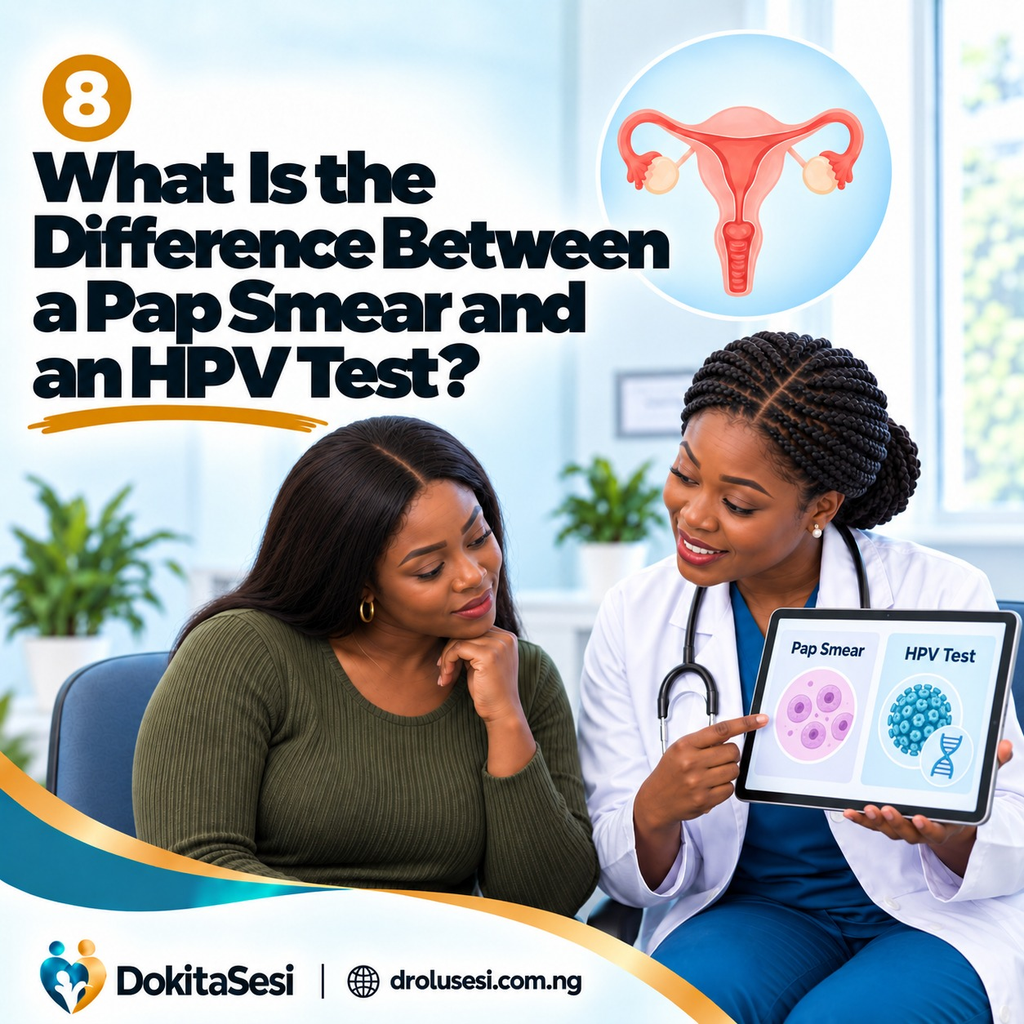
Pap smear or HPV test: what is the difference?
The main difference is what the laboratory looks for.
| Question | Pap smear | HPV test |
|---|---|---|
| What does it detect? | Abnormal cells on the cervix | High-risk human papillomavirus |
| What does the result tell you? | Whether the sampled cells show changes | Whether high-risk HPV was found |
| How is the sample collected? | A healthcare professional collects cells from the cervix | A professional collects a sample, or an approved service may offer vaginal self-sampling |
| Does an abnormal result mean cancer? | No | No |
The National Cancer Institute explains the differences between Pap and HPV testing.
What does a Pap smear check?
A Pap smear, also called a Pap test or cervical cytology, looks at cervical cells under a microscope.
It can identify changes that may need monitoring, further investigation, or treatment. Some changes are minor and do not develop into cancer.
What does an HPV test check?
HPV stands for human papillomavirus. A cervical screening HPV test looks for high-risk types associated with cervical cancer.
HPV is common. Most infections clear naturally, but persistent infection with certain types can cause cervical cell changes over time. The WHO explains the link between persistent HPV infection and cervical cancer.
A positive HPV result identifies a need for follow-up. It does not diagnose cancer.
Which test should you choose – Pap smear or HPV test?
WHO recommends HPV DNA testing as the preferred first screening test where it is available within a suitable screening programme. It detects more precancerous disease than cytology alone and can allow longer intervals between routine screens after a negative result. See WHO’s explanation of HPV-based screening.
However, choosing a test also depends on your age, previous results, medical history, and the services available.
When booking in Nigeria, ask the facility:
- Do you offer high-risk HPV testing, Pap smears, or another screening method?
- Which test is appropriate for me?
- Who will explain the result?
- Where will I receive further assessment or treatment if needed?
If HPV testing is unavailable, ask about the appropriate alternative or a referral. Avoid postponing screening indefinitely while searching for a particular test.
Do you need both tests?
Sometimes, clinicians order HPV testing and a Pap smear together. This is called co-testing.
In other screening pathways, HPV is tested first. If the result is positive, the laboratory may examine cervical cells or the clinician may arrange another assessment.
Having both tests is not automatically necessary for everyone. The right approach follows an established screening pathway and your individual history. The National Cancer Institute describes these screening options.
When should Pap smear or HPV test begin?
Screening schedules differ between countries and programmes. Online advice may therefore mention different starting ages.
As a global guide, WHO recommends regular screening with a high-performance test:
- From age 30 for the general population of women, usually every five to ten years.
- From age 25 for women living with HIV, usually every three to five years.
These are programme recommendations, not instructions to wait that long after an abnormal result. They should not be applied automatically to Pap-only screening. Your clinician should confirm the Nigerian guidance and test-specific schedule appropriate for you. Source: WHO cervical cancer guidance.
Tell the clinician if you have previous abnormal results, treatment for cervical precancer, HIV, another condition affecting immunity, or surgery involving the cervix.
If you cannot remember your last screening date, ask the facility for your records. Do not assume that a previous vaginal examination included cervical screening.
What happens during the appointment?
For a clinician-collected sample, you will usually lie on an examination couch. The clinician gently inserts a speculum into the vagina to see the cervix, then uses a small brush to collect the sample.
The laboratory test determines whether that sample is checked for HPV, cell changes, or both. A similar collection procedure does not mean the tests are identical. The National Cancer Institute explains cervical sample collection.
The examination may feel uncomfortable, and some people experience pain. You can ask the clinician to pause or stop at any time.
If you feel anxious, say so before the examination begins. You can ask whether a smaller speculum, a different position, or a support person would help. The NHS describes ways to make screening more comfortable.
For more about the appointment itself, read The Pap Smear Explained: A Doctor Answers 10 Common Questions.
Can you collect an HPV sample yourself?
Some services offer HPV self-sampling, where you collect a vaginal sample using a supplied kit.
This can provide more privacy and may make screening easier to access. However, self-sampling is for HPV testing. It does not replace a clinician-collected Pap smear.
Use a kit supplied through a qualified screening service, with instructions for returning the sample and receiving results. The kit must be suitable for the laboratory’s HPV test.
A positive result may still require a clinic visit for further assessment. WHO supports self-sampling as an additional screening option.
Ask whether this service is available locally before purchasing a kit.
How should you prepare for Pap smear or HPV test?
Contact the facility before your appointment and follow its instructions for the specific test.
For a clinician-collected cervical sample, it is generally best to book when you are not having your period. Ask about avoiding vaginal medicines, creams, or lubricants for the two days beforehand, as these may affect testing.
If you use prescribed vaginal treatment, ask how to time it rather than stopping it yourself.
Also tell the clinician if you are pregnant, recently gave birth, or have had a recent cervical procedure. Your appointment timing may need to change. The NHS provides practical preparation advice.
If you have unusual bleeding or discharge, explain this when booking. You may need a medical assessment rather than a routine screening appointment.
What if the result is positive or abnormal?
An abnormal result can be worrying. It does not automatically mean you have cervical cancer.
A positive HPV test means high-risk HPV was detected. An abnormal Pap smear means some sampled cells look different from normal.
Depending on your result and history, the next step may include repeat testing, further examination, or treatment of precancerous changes.
One possible examination is a colposcopy, which allows a clinician to look closely at the cervix. A small tissue sample, called a biopsy, may also be taken.
Before leaving the result discussion, ask for a clear next step and a date. The National Cancer Institute explains follow-up after abnormal screening results.
Does a positive HPV result mean a partner has been unfaithful?
No. HPV can become detectable years after the original infection. A test cannot reliably show when the infection began or who transmitted it.
A positive result alone is not evidence of infidelity. Focus on the recommended follow-up rather than trying to date the infection. Source: WHO’s HPV screening questions and answers.
Symptoms that should not wait for Pap smear or HPV test
Book a medical assessment if you notice:
- Bleeding during or after sex.
- Bleeding between periods or after menopause.
- Unusual changes in vaginal discharge.
- Persistent pelvic pain or pain during sex.
These symptoms have several possible causes. They do not necessarily mean cancer, but they need assessment.
Do not wait until your next routine screening date, even if your last result was normal. The NHS explains symptoms that should be checked.
Do you still need screening after HPV vaccination?
Yes. HPV vaccination provides important protection, but it does not replace screening.
Vaccinated people who have a cervix should still follow the screening schedule recommended for them. The National Cancer Institute explains why screening remains necessary after vaccination.
Before you book your Pap smear or HPV test, ask these five questions
Whether you are considering a Pap smear or HPV test, write down:
- Which screening test am I having?
- What is the total cost, including sample collection and laboratory testing?
- When and how will I receive my result?
- Who will explain it and arrange follow-up?
- When should I return if the result is normal?
Keep a copy of the result and your next appointment date. If the result does not arrive when promised, contact the facility.
Knowing which test you had, receiving the result, and completing any follow-up are all part of cervical screening.
This article provides general health education. Your screening schedule and follow-up should reflect your age, medical history, previous results, and the guidance used by your healthcare team.