
Learning how to check your blood pressure at home starts with a few simple habits. The right monitor, a comfortable seat, and five quiet minutes can help you get readings your doctor can use.
Perhaps you already own a machine but feel unsure about the numbers. Or you check immediately after returning from work, while answering messages or talking with your family.
This guide explains how to prepare, take your readings, and keep a useful record.
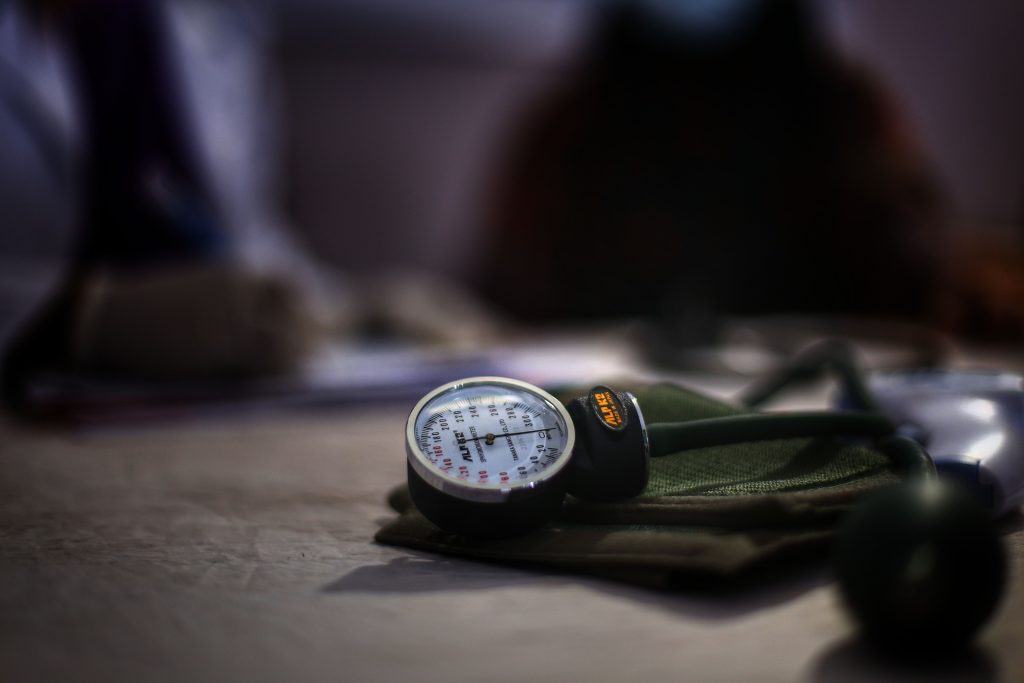
Why check your blood pressure at home?
High blood pressure often causes no symptoms. Feeling well does not tell you whether your blood pressure is healthy. Measuring it is the way to find out. The NHS explains why regular blood pressure checks matter.
Home readings also give your doctor information beyond a single clinic visit. Some people have higher readings at the hospital than at home. Others have the opposite pattern.
However, home monitoring works best alongside professional care. Bring your results to appointments so your doctor can interpret them in context.
Choose the right blood pressure monitor
Start with an automatic monitor that has a cuff for your upper arm. Ask your doctor or pharmacist to help you choose a suitable model and cuff size.
Look for a validated monitor, meaning its accuracy has been tested using an accepted protocol. Check the exact model, rather than relying on the brand name alone. The STRIDE BP directory lists validated devices.
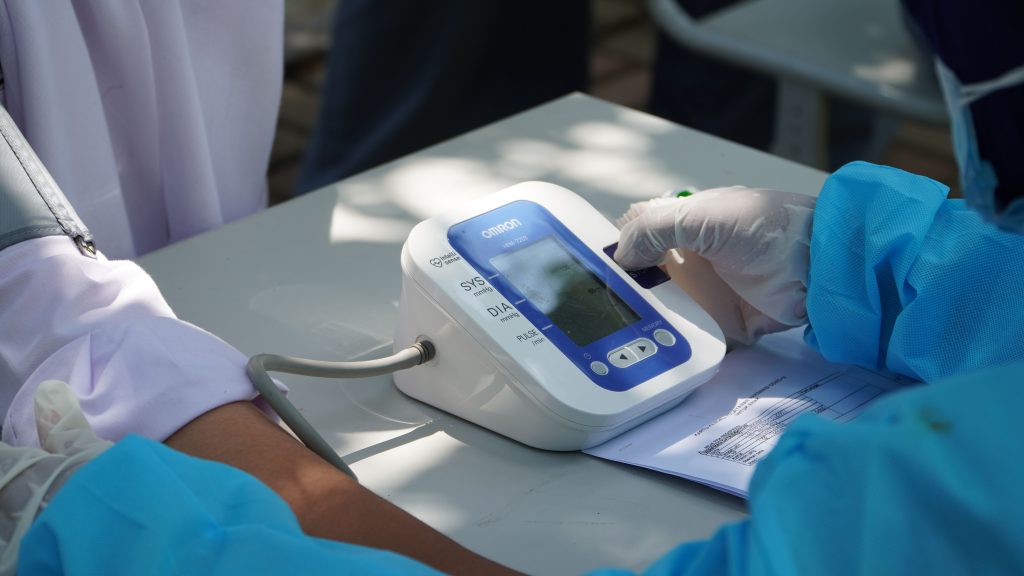
The cuff must fit your arm. A cuff that is too small or too large can give misleading readings. Check the arm-size range on the packaging before buying.
Take the machine to a clinic appointment so a healthcare professional can check your technique and compare readings. These steps reflect the American Heart Association’s advice on choosing and using home monitors.
Before you check your blood pressure at home
For at least 30 minutes beforehand, avoid exercise, smoking, and drinks containing caffeine.
That includes coffee, some teas, and many energy drinks. If you have just rushed upstairs or walked quickly home, allow time to settle before measuring.
Next, empty your bladder and sit quietly for at least five minutes. Put your phone aside during this rest.
Choose a chair with back support. Sit with both feet flat on the floor and keep your legs uncrossed. Rest your arm on a table, with the cuff at heart level.
Place the cuff on bare skin. Avoid rolling a tight sleeve up around your upper arm.
These preparation steps follow Blood Pressure UK’s home measurement guidance.
How to check your blood pressure at home: step by step
Once you are seated and rested:
- Fit the cuff. Follow the monitor’s instructions for its position and snugness.
- Support your arm. Keep it relaxed, with your palm facing upwards.
- Press start. Stay still and silent while the cuff inflates and deflates.
- Read the screen. Note the upper and lower blood pressure numbers.
- Wait at least one minute. Then take a second reading.
- Record both results. Do not keep only the lower number.
Use the same arm for your routine measurements. Ask your clinician which arm to use, especially if previous checks showed a difference between arms.
The American Heart Association’s practical guide explains why positioning and repeat readings matter.
How often should you measure?
Follow the schedule your doctor gives you. Checking every few minutes can leave you worried about ordinary changes.
When home readings are being used to help confirm a diagnosis, NICE recommends:
- Two readings at least one minute apart each time.
- Measurements in the morning and evening.
- Monitoring for at least four days, ideally seven.
- Leaving out the first day when calculating the average.
Keep the first day’s results in your record, even though they are excluded from that diagnostic average. Do not ignore a dangerously high reading because it happened on day one.
This schedule comes from NICE’s guidance on diagnosing hypertension. Your ongoing monitoring schedule may differ once your doctor has assessed you.
Ask how to time measurements around your medicines. Do not skip or delay prescribed treatment simply to take a reading.
What do the two numbers mean?
A result such as 128/78 mmHg contains two measurements:
- 128 is the systolic pressure: the pressure when your heart pumps.
- 78 is the diastolic pressure: the pressure when your heart relaxes between beats.
The letters “mmHg” describe the unit used to measure pressure.
Under NICE guidance, an average home reading with a top number of 135 or higher, or a bottom number of 85 or higher, can support a diagnosis of hypertension when assessed alongside clinic readings.
That is a diagnostic threshold, not a personal treatment target for everyone. Guidelines differ, and your doctor should explain your target based on your circumstances. See the NHS explanation of blood pressure results and NICE recommendations.
One reading alone does not tell the whole story.
When a blood pressure reading needs urgent attention
If the top number is 180 or higher, or the bottom number is 120 or higher, take it seriously.
If you also have chest pain, difficulty breathing, new weakness or numbness, trouble speaking, or changes in vision, seek emergency medical help immediately. Do not wait to finish your monitoring record or see whether the pressure falls.
Without those symptoms, wait at least one minute and measure again. If it remains that high, contact a healthcare professional immediately.
Do not take extra tablets unless a clinician directs you to do so. The American Heart Association explains how to respond to severely elevated readings.
Symptoms of a possible stroke or heart attack need emergency assessment even if your monitor shows a lower number.

Keep a simple blood pressure record
A notebook is enough. You can also use your phone or the monitor’s memory.
Record the date, time, both readings, and any symptoms. Note when you took your medicine. If family members share a machine, keep each person’s readings separate.
| Date | Time | First reading | Second reading | Symptoms or notes |
|---|---|---|---|---|
| Example: 20 September | 7:00 am | 132/82 | 129/80 | Felt well |
The completed row is an example, not a target.
Bring the record to your next appointment. Blood Pressure UK recommends recording readings and relevant symptoms to help clinicians review your care.
Common questions about home blood pressure checks
Can I stop my medicine if my readings improve?
Do not stop or change prescribed medicine on your own. Good readings may mean the treatment is working. Discuss any change with your doctor. This is also emphasized in the American Heart Association’s home monitoring advice.
What if my reading is low?
Blood pressure below 90/60 mmHg is generally described as low. It does not always cause problems. However, repeated dizziness, weakness, or fainting needs medical assessment. Read the NHS guidance on low blood pressure.
What should I discuss at my next appointment?
Bring your monitor and record. Ask:
- Am I using the cuff correctly?
- What blood pressure range should I aim for?
- How often should I measure?
- Which readings should prompt me to contact you?
Write the answers beside your monitoring record so you can refer to them later.
Make your next check a useful one
Before you check your blood pressure at home, set out your monitor and notebook. Give yourself time to rest. Take both readings and record them honestly.
For another Nigerian perspective on everyday habits, read Stress, Hustle Culture, and High Blood Pressure.
Share this guide with someone who owns a blood pressure monitor but is unsure how to use it.
This guide provides general education for adults. It does not replace individual medical advice. During pregnancy or after childbirth, follow your maternity team’s monitoring instructions and action thresholds.
Highly educative and very explicit