
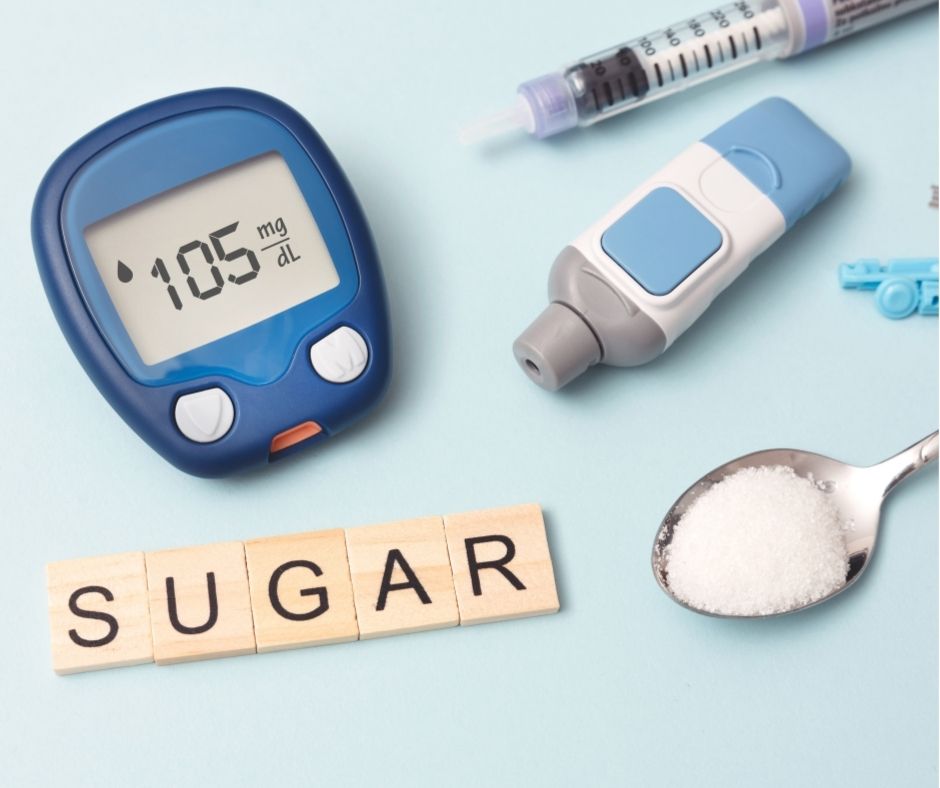
How To Reverse Type 2 Diabetes Naturally Without Drugs
Type 2 diabetes can be reversed without the use of medicine and I am here to show you how.
Mr Ade Thompson sat across from me in my clinic, staring at the lab results I’d just handed him. At fifty-two years old, his fasting glucose was 187 mg/dL, his HbA1c was 8.2%, and his waist had expanded to forty-four inches. The numbers told an unmistakable story: Type 2 diabetes.
“So this is it,” he said quietly. “My father had it. His mother had it. I always knew this day would come. Just tell me which medications I need to start.”
Ade had already resigned himself to a future of daily pills, eventual insulin injections, and the slow cascade of complications he had watched consume his father’s final years – the kidney disease, the amputated toe, the fading eyesight.
What I told him next changed everything.
“Ade, I want you to consider something that might surprise you. What if I told you there’s a reasonable chance we can reverse this – not just manage it, but potentially eliminate it – without a single prescription medication?”
He looked at me like I’d suggested we treat his diabetes with divine healing. But eighteen months later, Ade sat in that same chair with a fasting glucose of 94 mg/dL, an HbA1c of 5.4%, and 19kg lesser weight on his frame. By every clinical definition, his Type 2 diabetes was in complete remission.
Ade’s story isn’t unique. It is one I have witnessed hundreds of times in my two decades of clinical practice and research. And it represents one of the most underreported medical truths of our generation: Type 2 diabetes is, for many people, a reversible condition.
This is not wishful thinking or alternative medicine fantasy. It’s rigorous science, supported by landmark clinical trials, physiological research, and the lived experience of patients around the world who have reclaimed their metabolic health.
Let me show you how.
Understanding the Disease: What Type 2 Diabetes Actually Is
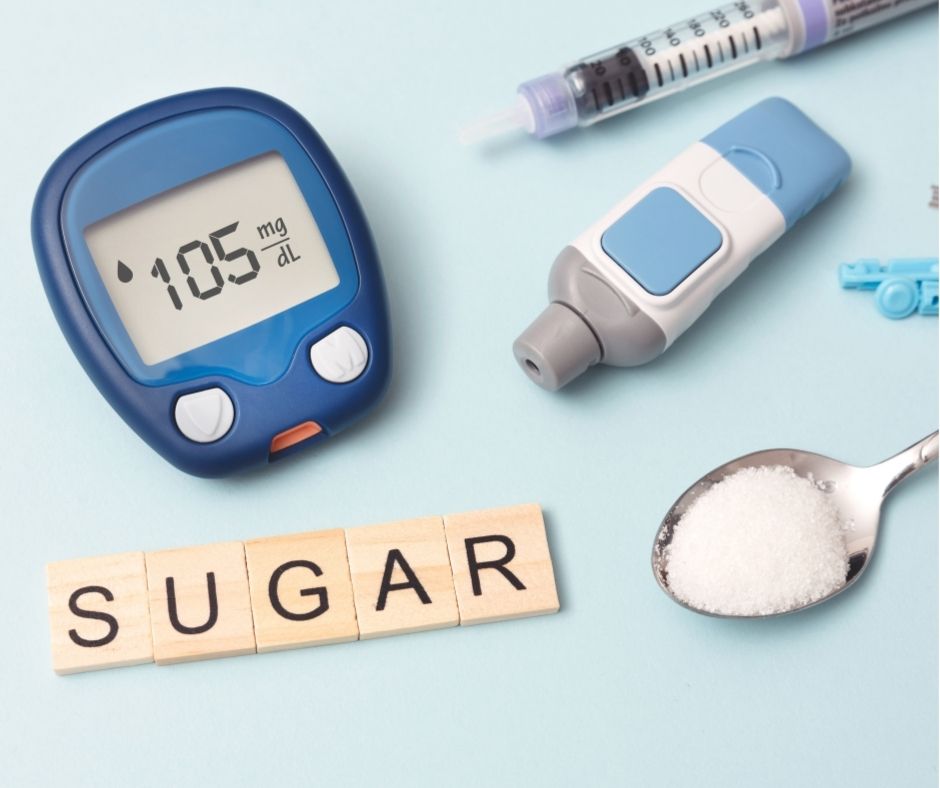
To reverse something, you must first understand what went wrong.
Type 2 diabetes is fundamentally a disease of insulin resistance – a condition where your body’s cells become increasingly deaf to insulin’s signals. Think of insulin as a key and your cells as locked doors. In a healthy metabolism, insulin turns the lock smoothly, allowing glucose to flow from your bloodstream into cells where it’s needed for energy.
In Type 2 diabetes, those locks become rusty and jammed. Your pancreas produces more and more insulin—essentially making duplicate keys – trying desperately to force those doors open. For years, even decades, this compensation works. But eventually, your pancreas becomes exhausted, insulin production falters, and glucose begins accumulating in your blood like traffic backed up behind a closed highway.
What causes those locks to jam? Several interconnected factors:
Excess visceral fat – the metabolically active fat stored around your organs – releases inflammatory chemicals that directly interfere with insulin signaling. It’s like someone pouring sand into those cellular locks.
Chronic low-grade inflammation becomes a self-perpetuating cycle, with inflamed tissues becoming progressively more insulin resistant.
Fatty liver disease, present in the majority of Type 2 diabetics, disrupts the liver’s crucial role in glucose regulation.
Mitochondrial dysfunction impairs your cells’ ability to process glucose effectively.
Here’s the crucial insight: Type 2 diabetes is not primarily a disease of high blood sugar. High blood sugar is the symptom. The disease is metabolic dysfunction, and that dysfunction is often driven by lifestyle factors that can be modified.
Why Medications Don't Always Solve the Root Problem

Let me be clear: diabetes medications save lives. They prevent complications, reduce cardiovascular risk, and help millions of people live better. I prescribe them regularly, and I would never suggest someone abandon their prescribed treatment without proper medical supervision.
However, most diabetes medications work downstream of the problem. Metformin reduces glucose production by the liver. Sulfonylureas force the pancreas to produce more insulin. SGLT2 inhibitors make you urinate out excess glucose. Even injectable insulin replaces what your exhausted pancreas can no longer produce.
These interventions manage blood sugar levels – and that is valuable – but they are like bailing water from a leaking boat without patching the hull. The metabolic dysfunction continues, often progresses, and medications frequently need escalation over time.
The average Type 2 diabetic on medication still experiences disease progression. After ten years on oral medications alone, roughly half will require insulin. Many will develop complications despite “controlled” blood sugar numbers.
What if we could patch the leaking boat instead?
The Science of Reversal: How Your Body Can Heal Itself
The physiological mechanisms of diabetes reversal are now well-established. When you reduce the metabolic stressors driving insulin resistance, your body possesses remarkable capacity to restore normal function.
Visceral fat reduction directly decreases the inflammatory signals disrupting insulin pathways. Studies using MRI imaging have shown that relatively modest fat loss around the liver and pancreas can restore near-normal glucose handling.
Beta cell recovery is possible in many patients. Your pancreatic beta cells – the insulin-producing factories – aren not necessarily dead; they are often dormant or overwhelmed. Remove the toxic environment of excess glucose and fat, and many resume function.
Hepatic insulin sensitivity improves rapidly, sometimes within days of caloric restriction, as liver fat decreases and the organ begins responding appropriately to insulin again.
Skeletal muscle glucose uptake increases with physical activity, providing insulin-independent pathways for clearing blood glucose.
The key concept is this: Type 2 diabetes often represents a threshold phenomenon. Your metabolism can tolerate a certain load of dietary excess, inactivity, and visceral fat. Exceed that threshold – which varies by individual and genetics—and diabetes manifests. Return below that threshold, and remission becomes possible.
Evidence-Based Natural Strategies for Reversal
1. Strategic Weight Loss and Fat Reduction
Perhaps no single factor matters more than reducing excess body fat, particularly the visceral fat surrounding abdominal organs.
The DiRECT trial, published in The Lancet, demonstrated that intensive weight management achieved diabetes remission in 46% of participants at one year and 36% at two years—without any diabetes-specific medications. Those who lost 15 kilograms or more achieved remission rates of 86%.
You don’t need to become thin. Losing 10-15% of body weight often triggers significant metabolic improvement. For someone weighing 220 pounds, that’s roughly 22-33 pounds—substantial but achievable.
How does this work mechanically? Fat cells aren’t passive storage units. They’re metabolically active organs that release hormones and inflammatory chemicals. Excess fat, especially visceral fat, creates a constant inflammatory state that directly interferes with insulin signaling. Reduce the fat, reduce the inflammation, restore the signaling.
2. Dietary Approaches That Reduce Insulin Resistance
Every major study demonstrating diabetes reversal has utilized dietary modification as a cornerstone intervention. But which dietary approach works best?
The evidence supports several pathways, unified by common principles:
Reduced refined carbohydrates and added sugars. These foods create large glucose spikes requiring equally large insulin responses—exactly the pattern that worsens insulin resistance. A meta-analysis of 23 trials found that lower-carbohydrate diets produced greater improvements in HbA1c than higher-carbohydrate alternatives.
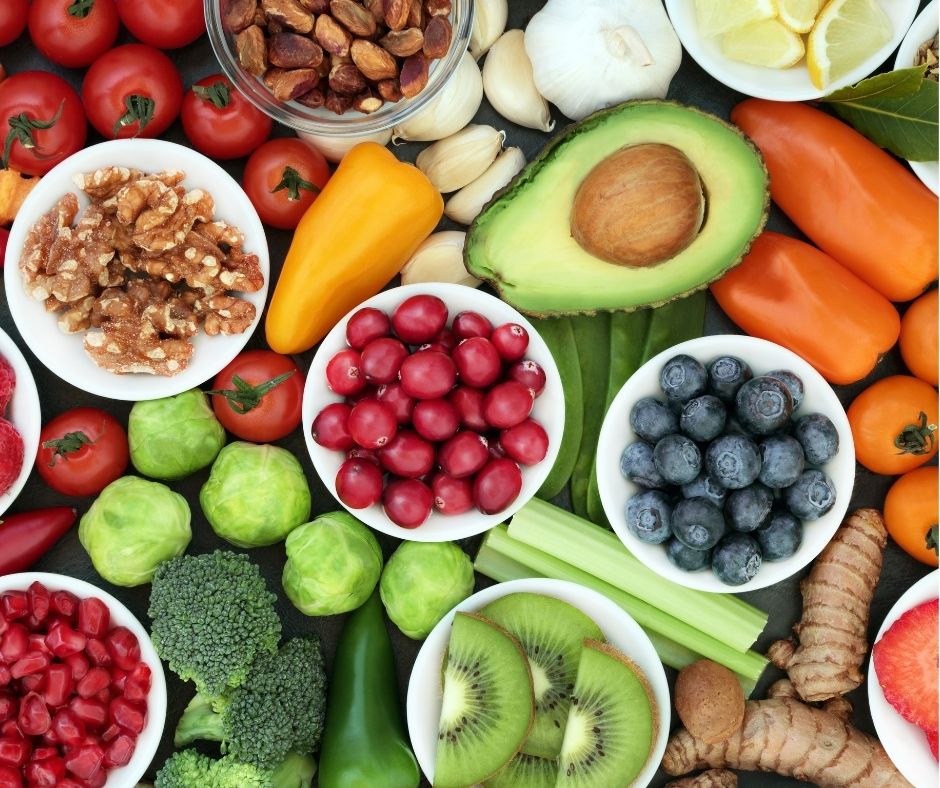
Emphasis on whole foods. Processing strips food of fiber and nutrients while concentrating calories and accelerating digestion. Whole foods—vegetables, legumes, nuts, seeds, whole grains, lean proteins—naturally regulate glucose absorption.
Adequate protein intake. Protein enhances satiety, preserves muscle mass during weight loss, and has minimal impact on blood glucose.
Strategic fat consumption. The Mediterranean diet, rich in olive oil, nuts, and fatty fish, has consistently shown metabolic benefits. The PREDIMED study demonstrated significant diabetes prevention with this approach.
Whether you choose low-carbohydrate, Mediterranean, whole-food plant-based, or another evidence-based approach matters less than finding a sustainable pattern that reduces caloric excess and minimizes refined foods.
3. Intermittent Fasting and Metabolic Reset
Time-restricted eating and intermittent fasting have gained substantial research support. These approaches aren’t primarily about caloric restriction—though that often occurs naturally—but about providing extended periods without insulin stimulation.
When you fast for 12-16 hours, insulin levels drop dramatically. This sustained low-insulin state allows cells to recover insulin sensitivity, promotes fat mobilization, and triggers cellular repair processes called autophagy.
A 2022 study in JAMA Network Open found that time-restricted eating improved HbA1c in Type 2 diabetics independent of weight loss, suggesting direct metabolic benefits beyond caloric reduction.
Practical implementation: Most people find a 16:8 pattern sustainable—eating within an eight-hour window and fasting for sixteen hours, typically by skipping breakfast or dinner. Even a 12-hour eating window provides benefit compared to continuous grazing.
4. Physical Activity and Muscle-Driven Glucose Control
Your skeletal muscles are the largest glucose-disposing organs in your body. When you exercise, muscle cells absorb glucose directly from your bloodstream through pathways that don’t require insulin—a metabolic backdoor that bypasses insulin resistance entirely.
Resistance training is particularly powerful. Building muscle mass creates more glucose-absorbing tissue. A single strength training session can improve insulin sensitivity for 24-48 hours afterward.
Aerobic exercise improves cardiovascular fitness, enhances mitochondrial function, and burns glucose directly during activity.
The combination appears most beneficial. A meta-analysis in Diabetes Care found that combined aerobic and resistance training reduced HbA1c more than either alone.
How much is enough? The minimum effective dose appears to be roughly 150 minutes of moderate activity weekly, but more provides additional benefit. Perhaps more important than duration is consistency—regular daily movement outperforms occasional intense sessions.
5. Sleep and Circadian Rhythm Regulation
Poor sleep is a profound metabolic disruptor. Just one week of sleep restriction to five hours nightly reduces insulin sensitivity by approximately 25% in healthy young adults.
Your body regulates glucose differently throughout the day, with optimal processing occurring during daylight hours. Late-night eating produces higher glucose spikes than the same food consumed earlier. Shift work, which disrupts circadian rhythms, significantly increases diabetes risk.
Practical guidance: Aim for 7-8 hours of sleep. Maintain consistent sleep-wake times. Minimize light exposure in the evening. Complete eating at least 3 hours before bed.
6. Stress Hormones and Glucose Metabolism
Chronic stress elevates cortisol, your primary stress hormone. Cortisol directly raises blood glucose levels—an evolutionary adaptation for fleeing predators that backfires disastrously in modern chronic stress.
Sustained cortisol elevation promotes visceral fat accumulation, increases appetite for calorie-dense foods, and directly antagonizes insulin action.
Evidence-based stress reduction includes mindfulness meditation, which has demonstrated glucose-lowering effects in clinical trials. Exercise serves double duty here, simultaneously improving glucose control and reducing perceived stress.
7. Gut Microbiome and Metabolic Health
The trillions of bacteria inhabiting your intestines play significant roles in glucose metabolism. Diabetics typically show reduced microbial diversity and altered bacterial populations compared to healthy individuals.
Fiber-rich diets promote beneficial bacterial populations that produce short-chain fatty acids, which improve insulin sensitivity and reduce inflammation. Fermented foods may contribute additional benefits.
This field remains newer, but evidence increasingly suggests that a healthy microbiome supports metabolic health—and that the foods supporting microbiome health (whole plants, fiber, fermented foods) are the same foods supporting glucose control through other mechanisms.
Real-World Clinical Evidence
This isn’t theoretical speculation. Multiple landmark studies demonstrate real-world diabetes reversal:
The Diabetes Remission Clinical Trial (DiRECT): Intensive weight management achieved 46% remission at one year using primarily dietary intervention.
The Look AHEAD Trial: Intensive lifestyle intervention reduced cardiovascular events and achieved significant diabetes improvements.
Virta Health Research: A digitally-supported low-carbohydrate intervention achieved 60% reversal rates at one year, with sustained results at two years.
The Newcastle Studies: Professor Roy Taylor’s pioneering research demonstrated that relatively short-term caloric restriction could restore pancreatic function and achieve remission.
The common thread: these approaches address root metabolic dysfunction rather than merely controlling downstream symptoms.
Common Myths About Diabetes

Myth: Type 2 diabetes is progressive and irreversible.
Reality: Remission is achievable for many patients, particularly with early intervention and sustained lifestyle modification.
Myth: Diabetes is purely genetic – you either get it or you don’t.
Reality: Genetics influence risk, but lifestyle factors determine expression. Populations with identical genetics show dramatically different diabetes rates depending on dietary and activity patterns.
Myth: You need special supplements or exotic treatments to reverse diabetes.
Reality: The interventions that work are basic – food, movement, sleep, stress management. No supplement replaces these foundations.
Myth: If you need medication, lifestyle doesn’t matter anymore.
Reality: Lifestyle modifications improve outcomes whether or not you’re on medication. Many patients on medication can reduce or eliminate prescriptions with sufficient lifestyle change – always under medical supervision.
A Message of Hope and Agency

Type 2 diabetes remains one of the greatest health challenges of our era, affecting over 450 million people worldwide. The complications – heart disease, stroke, kidney failure, blindness, amputation – exact an enormous toll in suffering and mortality.
But here’s what I want you to carry from this article:
This disease, in most cases, is not an inevitable consequence of aging or genetics. It is a lifestyle-driven metabolic condition that responds to lifestyle-driven solutions.
You have agency. Your choices matter. The same body that developed insulin resistance can restore insulin sensitivity. The same pancreas that became exhausted can recover function. The same metabolism that spiraled into dysfunction can return to health.
I’ve watched hundreds of patients like Ade Thompson – people who believed they were sentenced to a lifetime of medications and declining health – reclaim their metabolic function through committed lifestyle change.
The path is not easy. It requires sustained effort, difficult choices, and patience. It requires addressing the food environment, stress patterns, and activity habits that most likely contributed to the disease. It often requires support – from healthcare providers, family, and community.
But it is possible.
Type 2 diabetes need not be a life sentence. For many, it can become a wake-up call—an invitation to fundamentally improve how we nourish, move, and care for our bodies.
The question is not whether lifestyle modification can reverse diabetes. The research has answered that definitively. The question is whether you are ready to begin.
Your pancreas is waiting.
Thank you Doctor
It’s more educative to understand sir
Thank you
Thanks alot Doc! very instructive and highly enlightening. Gives hope to people living with diabetes and other NCDs. Well done Sir! Keep them coming…
Thanks, Doc
Thanks very much sir
This is so helpful and timely sir
God bless you 🙏
Thank you
This is a detailed explanation Dr. Thank you so much for sharing this. I took my time to go through them.
Pls, sir, with all you have shared regarding reversing Diabetes, can the same be done for Hypertension? Is it possible to reverse it and is it possible to stop medications after some lifestyle changes?
I look forward to your prompt response sir.
Yes. All Non-communicable diseases have strong lifestyle contributors. Join the inner circle for guidelines. https://drolusesi.com.ng/dokitasesi-inner-circle/