
When I shared a post on my Facebook page recently about cervical cancer, something remarkable happened. The post reached thousands of people, but the real story was in the comment section and my private messages about Pap smear Nigeria. Dozens of women including undergraduate students, senior lecturers, busy mothers, and young professionals, sent me messages asking about Pap smear Nigeria screening: where to go, how much it costs, whether it hurts, and what to expect.
The post reached thousands of people, but the real story was in the comment section and my private messages. Dozens of women, undergraduate students, senior lecturers, busy mothers, and young professionals, sent me messages that all sounded remarkably similar:
“Doctor, I know I should get screened, but I’m terrified.”
“Doctor, does it hurt?”
“Doctor, do I need to shave before I come?”
“Doctor, what if they find something bad?”
In my 27 years as a physician in university health services, I have seen this hesitation play out thousands of times across examination tables. Intelligent, health-conscious women delay or completely avoid a life-saving 5-minute test not because they don’t care about their health, but because of fear, embarrassment, and misinformation.
Let us remove the shame and take away the mystery.
Here are honest, medically accurate answers to the top 10 questions women are often too embarrassed to ask aloud.
1. “Do I need to shave or wax before my appointment?”
The short answer: Absolutely not.
As doctors, we do not care about your grooming habits. When I perform a pelvic examination, my focus is strictly clinical: the health of your cervical tissue, signs of inflammation, and obtaining an adequate cell sample.
We do not notice whether you have shaved, waxed, trimmed, or done nothing at all. In fact, aggressive shaving or waxing immediately before a Pap smear can sometimes cause skin irritation or micro-tears around the vulva that make the examination more uncomfortable than it needs to be.
Come exactly as you are. Your body is a medical reality to us, not an aesthetic judgment.

2. “Does a Pap smear actually hurt?”
For the vast majority of women, a Pap smear is uncomfortable, unusual, and cold—not agonizingly painful.
Here is what you will physically feel:
- The Speculum: The doctor inserts a lubricated metal or plastic instrument called a speculum to gently widen the vaginal walls so the cervix is visible. You will feel a sensation of firm pressure or stretching.
- The Swab/Brush: A tiny soft brush or spatula gently sweeps across the surface of your cervix to collect loose cells. This takes roughly 5 to 10 seconds. You may feel a brief pinch, a tickle, or a mild menstrual-like cramp.
Why does it hurt for some women?
The biggest contributor to pain during a Pap smear is tense pelvic floor muscles. When you are nervous, your vaginal muscles reflexively tighten like a fist.
Doctor’s Tip: During the exam, focus on taking slow, deep diaphragmatic breaths. Let your knees fall open naturally, relax your buttocks against the examination table, and exhale slowly through your mouth when the speculum is inserted.
If you ever experience severe, sharp pain, tell your doctor immediately so they can adjust the speculum size or technique.
3. “What if I am on my period or have unusual vaginal discharge on the day?”
- If you are on a heavy flow day: It is best to reschedule. Menstrual blood can obscure the cervical cells in the laboratory sample, leading to an “inconclusive” result that requires you to repeat the test.
- If you are spotting lightly or at the very tail end of your cycle: The test can often still proceed, but notify the nurse or doctor beforehand.
- If you have an unusual discharge, itching, or odor: Do not cancel. Come to the clinic. It is an opportunity for your doctor to evaluate you for common, easily treatable infections like bacterial vaginosis, yeast infections, or Trichomoniasis while taking your cervical screening into account.
Crucial rule: Do not douche, insert herbal preparations, use vaginal washes, or have sexual intercourse for 24 to 48 hours before your Pap smear. These can wash away or mask abnormal cells.

4. “Will the doctor judge me based on what my body looks like or my sexual history?”
In 27 years of clinical practice, I have never met a physician who sits in an examination room judging a patient’s anatomy, skin tone, stretch marks, weight, or past choices.
Every single female body is shaped differently. Labia vary in shape, size, and color. Vaginas vary in depth and angle. What you might think is an “oddity” about your body is something your doctor has seen hundreds of times this year alone.
When we ask about your sexual history (age at first intercourse, number of partners, contraceptive use), we are not assessing your character; we are calculating your epidemiological risk profile for the Human Papillomavirus (HPV) so we can offer the best preventative guidance.
5. “I am a virgin / I haven’t had sex in years. Do I still need one?”
- If you have never had any sexual contact: Your risk of cervical cancer is extremely low because over 99% of cervical cancers are caused by persistent infection with high-risk strains of HPV, which is transmitted through skin-to-skin sexual contact. While medical guidelines vary, routine Pap smears are generally not strictly required for absolute virgins unless there are abnormal symptoms like unexplained bleeding.
- If you were sexually active in the past but are not currently active: Yes, you still need screening. HPV can live silently in cervical cells for 10, 15, or even 20 years before causing cellular mutations. A period of celibacy does not erase past exposure.

6. “What is the doctor actually looking at down there?”
           HOW A PAP SMEAR WORKS
 1. Speculum gently opens vaginal canal
 2. Doctor visualizes the CERVIX (neck of womb)
 3. Soft brush collects microscopic cells
 4. Cells examined under microscope for:
 • Normal healthy cells
 • Early, treatable precancerous changes
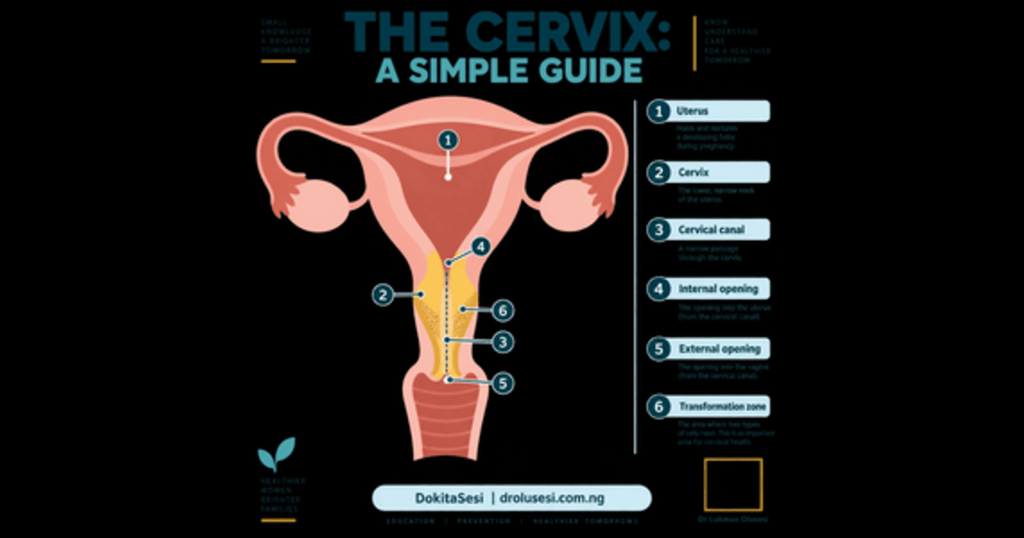
The cervix is the lowest part of your uterus, the “neck of the womb” that connects the uterus to the vagina.
During the test, the doctor looks for:
- Visible signs of inflammation, erosion, or polyps.
- The transformation zone (the area where the internal and external cells of the cervix meet, where almost all cervical abnormalities begin).
The doctor then sweeps that exact transformation zone with a brush to send microscopic cells to the laboratory for cytology analysis. According to the World Health Organization’s cervical cancer screening guidelines, this simple procedure can detect precancerous changes up to 10–15 years before cancer develops.
7. “If my test comes back ‘Abnormal’, does that mean I have cancer?”
NO. This is the single biggest misconception that causes women unnecessary panic.
A Pap smear is not a test for cancer. It is an early warning system designed to find precancerous changes years before cancer can even develop.
| Result | What It Actually Means | Typical Next Step |
|---|---|---|
| Normal / Negative | No abnormal cells found. | Routine screening in 3–5 years. |
| ASC-US | Minor, ambiguous cell changes (often due to temporary inflammation or mild HPV). | Repeat test in 6–12 months or check for HPV. |
| Low-Grade (LSIL) | Mild changes usually cleared by your immune system on its own. | Follow-up monitoring or colposcopy. |
| High-Grade (HSIL) | Significant cellular changes that could slowly turn into cancer over years if left untreated. | Minor outpatient procedure (e.g., LEEP or cryotherapy) to remove the cells. |
An abnormal Pap smear simply means: “We caught cellular changes early enough to fix them before they ever become dangerous.”
8. “What is the difference between a Pap smear and an HPV test?”
- The Pap Smear (Cytology): Looks at the cells themselves to see if any look mutated or abnormal.
- The HPV DNA Test: Looks for the genetic material of high-risk viruses (specifically HPV 16 and 18) that cause those mutations in the first place.
Many modern clinics in Nigeria now perform co-testing (both tests done simultaneously from the exact same swab sample). The CDC recommends co-testing as the most effective screening strategy for women aged 30–65. If your HPV test is negative, your risk of developing cervical abnormalities over the next 5 years is near zero.
9. “How often do I need a Pap smear, and at what age do I start?”
Standard international and Nigerian public health guidelines, including those from the Federal Ministry of Health, recommend:
- Ages 21–29: Pap smear every 3 years (HPV testing alone is generally not recommended under 25–30 because young immune systems clear transient HPV infections quickly).
- Ages 30–65: Either:
- Pap smear alone every 3 years, OR
- High-risk HPV test alone every 5 years, OR
- Co-testing (Pap + HPV) every 5 years.
- Over Age 65: You may stop screening if you have had consistently normal screenings over the preceding 10 years and no history of severe abnormal cells.
(Note: Women living with HIV or who are immunocompromised should be screened more frequently, ypically annually or every 3 years depending on clinical evaluation).
10. “Where can I get Pap Smear screening in Nigeria, and is it expensive?”
Cervical cancer screening is widely accessible across Nigeria once you know where to look:
- University Health Centers / Teaching Hospitals: (e.g., LASU Health Services, LASUTH, UCH, ABUTH) – routinely offer subsidized screening for staff, students, and the public.
- State General Hospitals & Primary Health Centers: Many state health ministries provide screening via Visual Inspection with Acetic Acid (VIA) or standard Pap smears at low cost.
- Private Laboratories & Diagnostic Centers: (e.g., Synlab, Lancet, Clina-Lancet, MeCure).
- NGO Screening Programmes: Organisations like CancerAware Nigeria, Sebeccly Cancer Care, and the Pink Pearl Foundation regularly host free or highly subsidised cervical screening outreaches. Follow their social media pages for announcements.
The cost for a conventional Pap smear in Nigeria generally ranges from ₦5,000 to ₦15,000, while HPV DNA co-testing ranges from ₦20,000 to ₦45,000 depending on the facility.
Consider this: A ₦10,000 test done once every 3 to 5 years can prevent a disease that costs millions of Naira and unimaginable emotional turmoil to treat later.
The Doctor’s Final Word
Cervical cancer is one of the only cancers in modern medicine that is almost entirely preventable. With sufficient information about Pap Smear Nigeria, the hesitation and avoidance of this crucial screening test can get easily overcome.
Cervical cancer does not appear overnight. It takes anywhere from 5 to 15 years for an HPV infection to quietly turn into precancer, and then into invasive cancer. You have a massive window of opportunity to catch it, but only if you walk into the clinic and get screened.
Put aside the embarrassment. We doctors have seen it all, and our single goal is keeping you healthy, alive, and thriving for your family, your career, and your future.
(Medical Disclaimer: This article is for educational and informational purposes only and does not substitute for personalized clinical diagnosis or medical treatment. Always consult a qualified medical professional for your specific health needs.)
Live your questions or comments about Pap Smear Nigeria and let the conversation continue.